To realize the greatest benefits of AI, start with the fundamental building blocks of data management.
Artificial intelligence (AI) is the darling of businesses and governments because it not only promises to add tens of trillions to the gross domestic product (GDP), but it comes with all the excitement of action-packed movies or dopamine-drenched gaming. We are mesmerized by computer vision, natural language processing, and the uncanny predictions of recommendation engines. It protects us from fraud, lowers inventory costs, and teases us with programming we might enjoy.
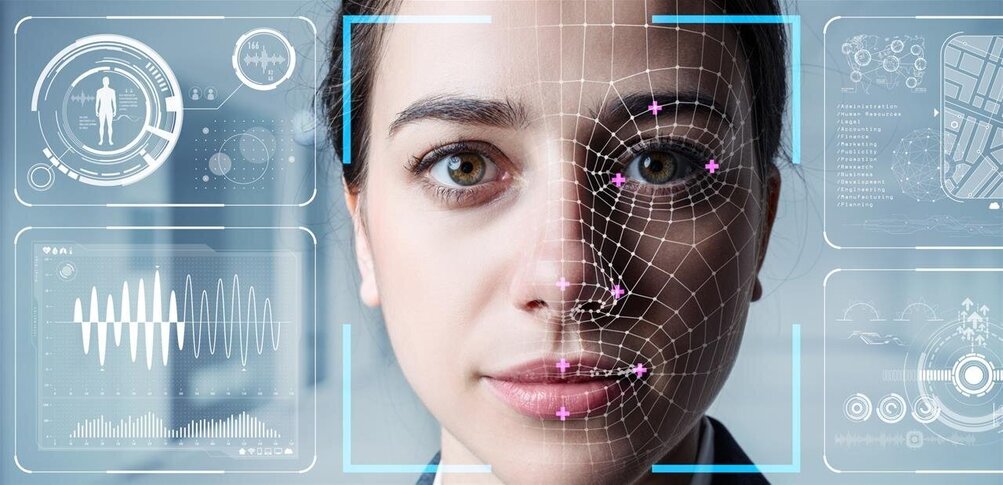
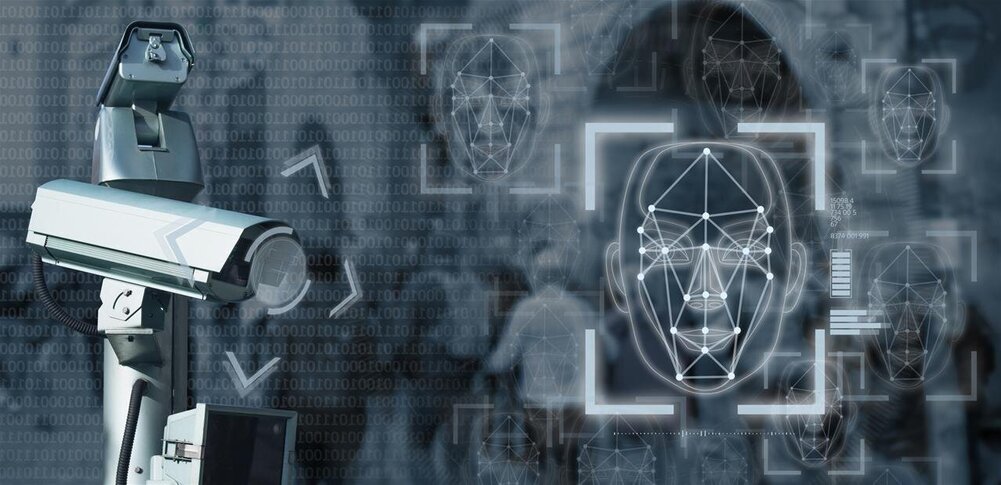
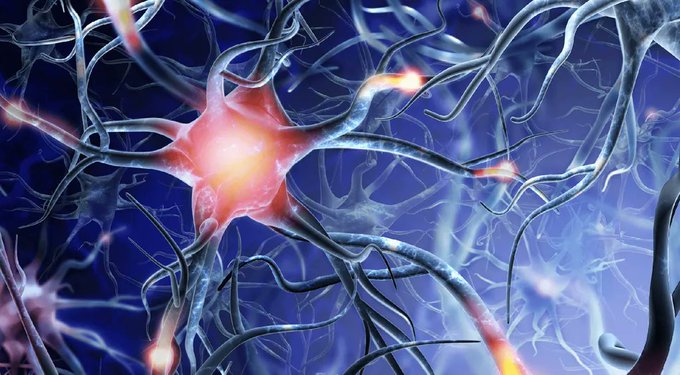
The current state of the art, deep learning, comes from a brilliant concept to model algorithms based on how the human brain functions. The way neurons wire together inspire the structure of mathematical calculations. And why not? We are making computers more human with eyes (video), ears (microphone), and fingers (temperature & vibration sensors).
The name, AI, implies a replication of human intelligence in silicon form. Yet, it’s easy to lose sight of the hidden brain that brings AI to useful life. Let’s explore the neuroscience as a metaphor to understand this premise.
Mots-clés : cybersécurité, sécurité informatique, protection des données, menaces cybernétiques, veille cyber, analyse de vulnérabilités, sécurité des réseaux, cyberattaques, conformité RGPD, NIS2, DORA, PCIDSS, DEVSECOPS, eSANTE, intelligence artificielle, IA en cybersécurité, apprentissage automatique, deep learning, algorithmes de sécurité, détection des anomalies, systèmes intelligents, automatisation de la sécurité, IA pour la prévention des cyberattaques.