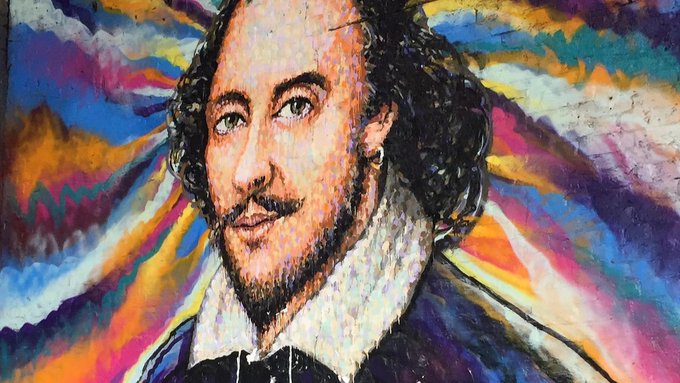
If that reads a little like Shakespeare defending humans’ innate superiority over artificial intelligence hundreds of years ahead of his time, it’s not.
But it is something almost as far out: an AI system trained to express itself like the bard. The AI assimilated his style and perspective by ingesting his plays—educating itself to give an opinion on AI creativity in iambic pentameter.
“Shakespeare” was speaking as part of a debate held in the University of Oxford Union featuring AI versions of classic writers and literary characters.
The motion was: “This house believes most of the world’s content will soon be created by AI.”
This was a follow-up to another special AI debate that we described in The Conversation a few months ago. Whereas that one featured an AI in its “own character” discussing the ethics of its technology, this time, by taking on
Mots-clés : cybersécurité, sécurité informatique, protection des données, menaces cybernétiques, veille cyber, analyse de vulnérabilités, sécurité des réseaux, cyberattaques, conformité RGPD, NIS2, DORA, PCIDSS, DEVSECOPS, eSANTE, intelligence artificielle, IA en cybersécurité, apprentissage automatique, deep learning, algorithmes de sécurité, détection des anomalies, systèmes intelligents, automatisation de la sécurité, IA pour la prévention des cyberattaques.