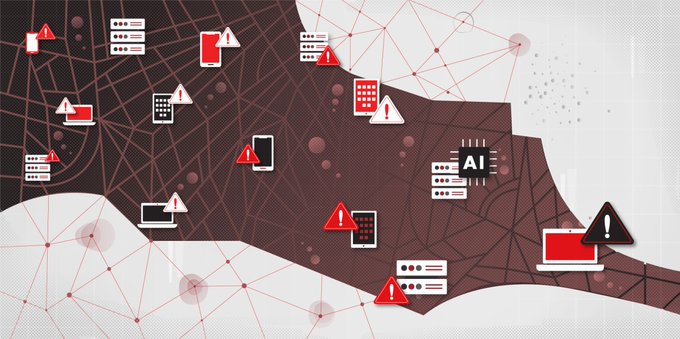
Bad actors know all they need to do is find one unprotected machine identity, and they’re into a company’s network. Analyzing their breaches shows they move laterally across systems, departments, and servers, looking for the most valuable data to exfiltrate while often embedding ransomware. By scanning enterprise networks, bad actors often find unprotected machine identities to exploit. These factors are why machine identities are a favorite attack surface today.
Why machine identities need zero trust
Organizations quickly realize they’re competing in a zero-trust world today, and every endpoint, whether human or machine-based, is their new security perimeter. Virtual workforces are here to stay, creating thousands of new mobility, device, and IoT endpoints. Enterprises are also augmenting tech stacks to gain insights from real-time monitoring data captured using edge computing and IoT devices.
Mots-clés : cybersécurité, sécurité informatique, protection des données, menaces cybernétiques, veille cyber, analyse de vulnérabilités, sécurité des réseaux, cyberattaques, conformité RGPD, NIS2, DORA, PCIDSS, DEVSECOPS, eSANTE, intelligence artificielle, IA en cybersécurité, apprentissage automatique, deep learning, algorithmes de sécurité, détection des anomalies, systèmes intelligents, automatisation de la sécurité, IA pour la prévention des cyberattaques.