
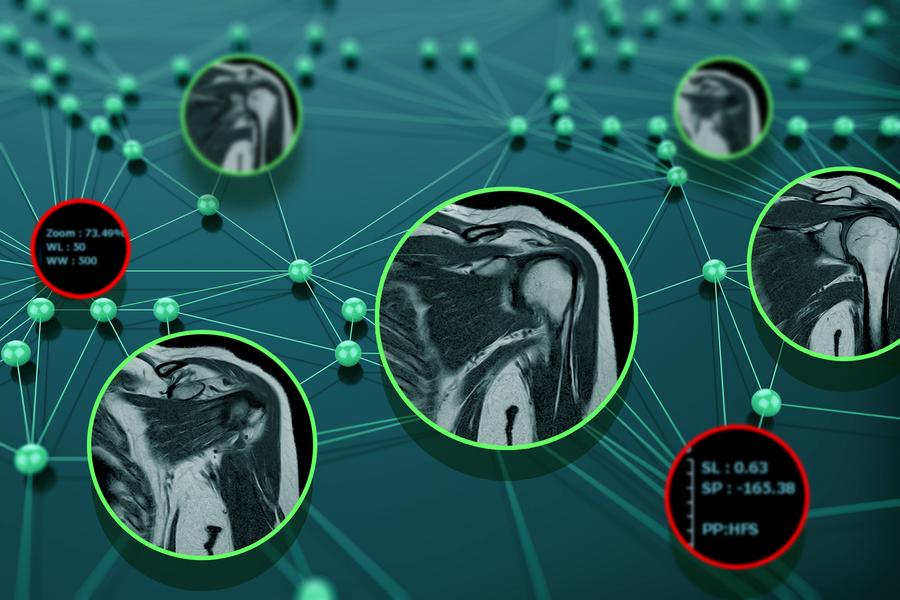
Imagine a team of physicians using a neural network to detect cancer in mammogram images. Even if this machine-learning model seems to be performing well, it might be focusing on image features that are accidentally correlated with tumors, like a watermark or timestamp, rather than actual signs of tumors.
To test these models, researchers use “feature-attribution methods,” techniques that are supposed to tell them which parts of the image are the most important for the neural network’s prediction. But what if the attribution method misses features that are important to the model? Since the researchers don’t know which features are important to begin with, they have no way of knowing that their evaluation method isn’t effective.
https://veille-cyber.com/why-ai-code-optimisation-will-be-a-game-changer/
Mots-clés : cybersécurité, sécurité informatique, protection des données, menaces cybernétiques, veille cyber, analyse de vulnérabilités, sécurité des réseaux, cyberattaques, conformité RGPD, NIS2, DORA, PCIDSS, DEVSECOPS, eSANTE, intelligence artificielle, IA en cybersécurité, apprentissage automatique, deep learning, algorithmes de sécurité, détection des anomalies, systèmes intelligents, automatisation de la sécurité, IA pour la prévention des cyberattaques.