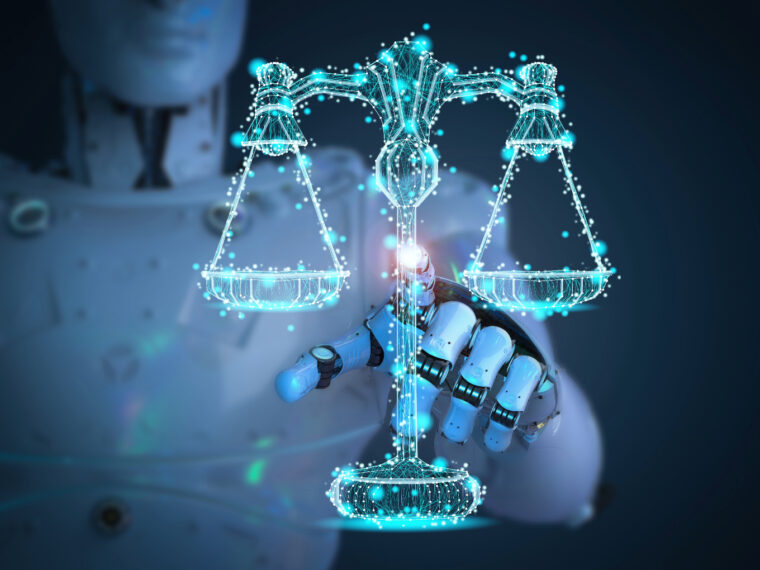

The arrival in late 2022 of the ChatGPT chatbot represented a milestone in artificial intelligence that took decades to reach. Scientists were experimenting with “computer vision” and giving machines the ability to “read” as far back as the 1960s. Today it’s possible to imagine a computer performing many human tasks better than people can. Whether you’re worried about being replaced by a robot, or just intrigued by the possibilities, here are some frequently used AI buzzwords and what they mean.
ML is the process of gradually improving algorithms — sets of instructions to achieve a specific outcome — by exposing them to large amounts of data. By reviewing lots of “inputs” and “outputs,” a computer can “learn” without necessarily having to be trained on the specifics of the job at hand. Take the iPhone photo app. Initially, it doesn’t know what you look like. But once you start tagging yourself as the face in photos taken over many years and in a variety of environments, the machine acquires the abil
Mots-clés : cybersécurité, sécurité informatique, protection des données, menaces cybernétiques, veille cyber, analyse de vulnérabilités, sécurité des réseaux, cyberattaques, conformité RGPD, NIS2, DORA, PCIDSS, DEVSECOPS, eSANTE, intelligence artificielle, IA en cybersécurité, apprentissage automatique, deep learning, algorithmes de sécurité, détection des anomalies, systèmes intelligents, automatisation de la sécurité, IA pour la prévention des cyberattaques.