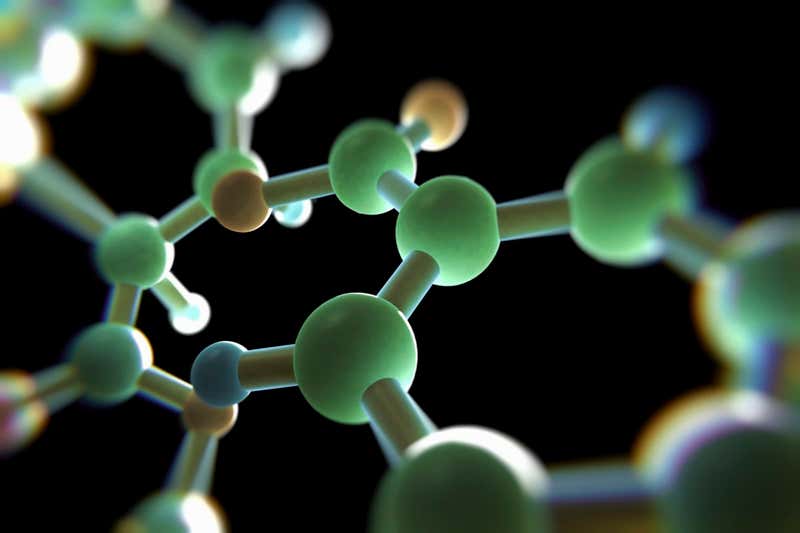
An AI tool can quickly suggest possible candidates for the chemical structures of psychoactive “designer drugs” from a simple analysis. The tool could fast-track the development of lab tests that screen the use of drugs with similar effects to substances such as cocaine and heroin, but aren’t detectable with current tests.
“Our method could cut down the time required to identify a new designer drug from weeks or months to just hours,” says Michael Skinnider at the University of British Columbia in Canada.
Skinnider and his colleagues created a machine learning tool called DarkNPS by training it with chemical structures of around 1700 known designer drugs, collected from forensic labs around the world. The training set included tandem mass spectrometry results for each drug, which is a common technique that provides information on the mass of a molecule and the elements it contains. This allowed the AI to identify patterns between tandem mass spectrometry data and chemical structures.
Mots-clés : cybersécurité, sécurité informatique, protection des données, menaces cybernétiques, veille cyber, analyse de vulnérabilités, sécurité des réseaux, cyberattaques, conformité RGPD, NIS2, DORA, PCIDSS, DEVSECOPS, eSANTE, intelligence artificielle, IA en cybersécurité, apprentissage automatique, deep learning, algorithmes de sécurité, détection des anomalies, systèmes intelligents, automatisation de la sécurité, IA pour la prévention des cyberattaques.