Sapiens author tells Geneva summit proliferation of fake people on social media could lead to collapse in democracy
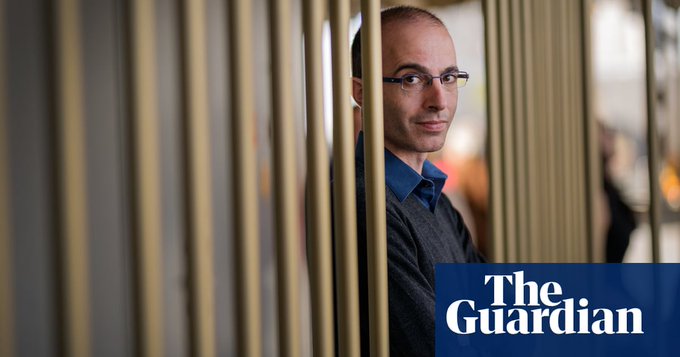
The creators of AI bots that masquerade as people should face harsh criminal sentences comparable to those who trade in counterfeit currency, the Israeli historian and author Yuval Noah Harari has said.
He also called for sanctions, including prison sentences, to apply to tech company executives who fail to guard against fake profiles on their social media platforms.
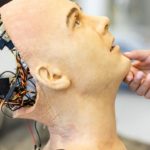
Addressing the UN’s AI for Good global summit in Geneva, the author of Sapiens and Home Deus said the proliferation of fake humans could lead to a collapse in public trust and democracy.
“Now it is possible, for the first time in history, to create fake people – billions of fake people,” he said. “If this is allowed to happen it will do to society what fake money threatened to do to the financial system. If you can’t know who is a real human, trust will collapse.
“Maybe relationships will be able to manage somehow, but not democracy,” Harari added.
The advent of ChatGPT and other large language models means AI bots can not only amplify human content, but also artificially generate their own content at scale.
Part of the solution, he argued, should be the introduction of severe criminal sentences for those who create bots and swamp public forums with artificially generated content.
Mots-clés : cybersécurité, sécurité informatique, protection des données, menaces cybernétiques, veille cyber, analyse de vulnérabilités, sécurité des réseaux, cyberattaques, conformité RGPD, NIS2, DORA, PCIDSS, DEVSECOPS, eSANTE, intelligence artificielle, IA en cybersécurité, apprentissage automatique, deep learning, algorithmes de sécurité, détection des anomalies, systèmes intelligents, automatisation de la sécurité, IA pour la prévention des cyberattaques.