By combining artificial intelligence (AI) and big data, organizations can see and predict upcoming trends in key sectors including business, technology, finance and healthcare.
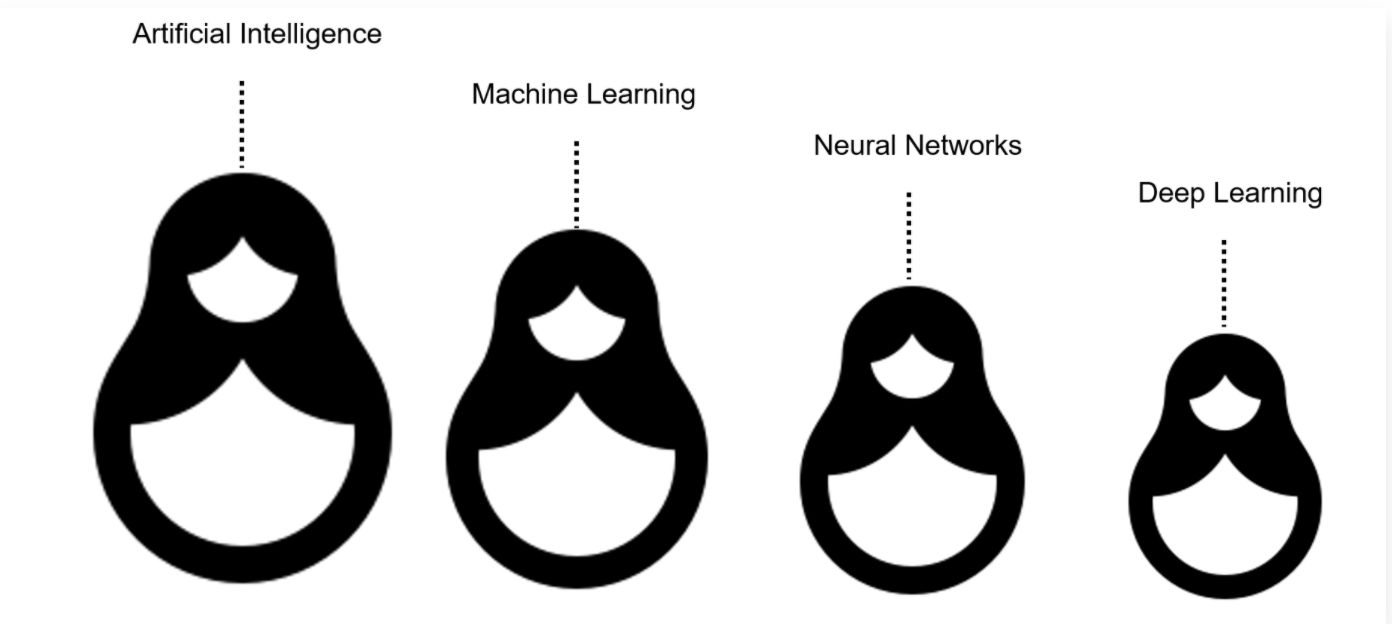
AI is the simulation of human intelligence by computers. By applying machine learning algorithms, we can make ‘intelligent’ machines, which can employ cognitive reasoning to make decisions based on the data fed to them. Big Data, on the other hand, is a blanket term for computational strategies and techniques applied to large sets of data to mine information from them. Big data technology includes capturing and storing the data, and then analyzing data to make strategic decisions and improve business outcomes. Most companies deploy big data and AI in silos to structure their existing data sets and to develop machines which can think for themselves. But, big data is in reality the raw material for AI. So, when big data meets AI, they have the potential to transform both, the way data is structured and the way machines learn.
https://veille-cyber.com/the-difference-between-data-science-artificial-intelligence/
Mots-clés : cybersécurité, sécurité informatique, protection des données, menaces cybernétiques, veille cyber, analyse de vulnérabilités, sécurité des réseaux, cyberattaques, conformité RGPD, NIS2, DORA, PCIDSS, DEVSECOPS, eSANTE, intelligence artificielle, IA en cybersécurité, apprentissage automatique, deep learning, algorithmes de sécurité, détection des anomalies, systèmes intelligents, automatisation de la sécurité, IA pour la prévention des cyberattaques.