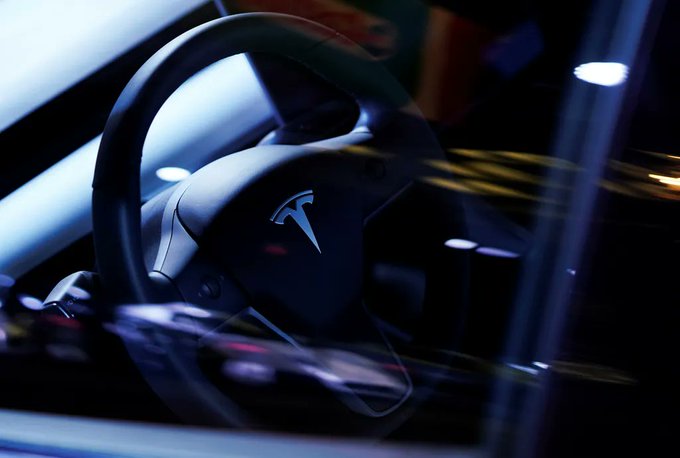
Drivers using advanced driver assistance systems like Tesla (TSLA.O) Autopilot or General Motors (GM.N) Super Cruise often treat their vehicles as fully self-driving despite warnings, a new study has found.
The Insurance Institute for Highway Safety (IIHS), an industry funded group that prods automakers to make safer vehicles, said on Tuesday a survey found regular users of Super Cruise, Nissan/Infiniti (7201.T) ProPILOT Assist and Tesla Autopilot « said they were more likely to perform non-driving-related activities like eating or texting while using their partial automation systems than while driving unassisted. »
The IIHS study of 600 active users found 53% of Super Cruise, 42% of Autopilot and 12% of ProPILOT Assist owners « said that they were comfortable treating their vehicles as fully self-driving. »
About 40% of users of Autopilot and Super Cruise – two systems with lockout features for failing to pay attention – reported systems had at some point switched off while they were driving and would not reactivate.
Mots-clés : cybersécurité, sécurité informatique, protection des données, menaces cybernétiques, veille cyber, analyse de vulnérabilités, sécurité des réseaux, cyberattaques, conformité RGPD, NIS2, DORA, PCIDSS, DEVSECOPS, eSANTE, intelligence artificielle, IA en cybersécurité, apprentissage automatique, deep learning, algorithmes de sécurité, détection des anomalies, systèmes intelligents, automatisation de la sécurité, IA pour la prévention des cyberattaques.