
There’s an old saying, “Buy land, they’re not making any more of it.” When it comes to the metaverse, that isn’t true.
Artificial scarcity isn’t real. This may seem like a blindingly obvious and rather tedious observation, but it has important implications for how you think about the future of non-fungible tokens (NFTs), cryptocurrencies and other digital assets like virtual land.
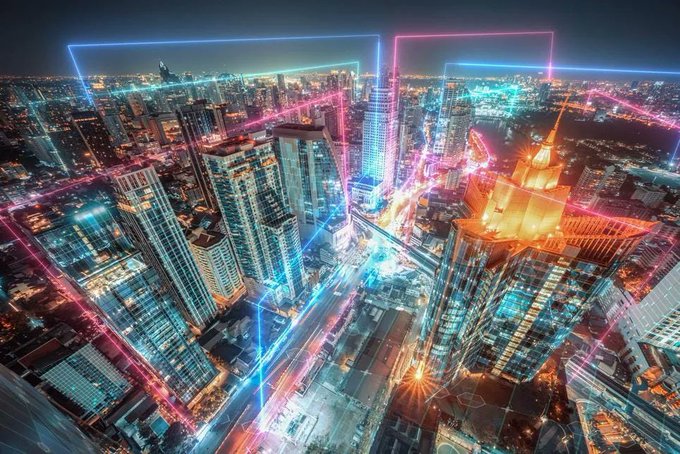
In the real world, scarce assets like real estate have increasing values driven by opportunities and constraints. Real estate becomes more valuable when it has proximity to infrastructure, services and other people. Cities and industrial centers “create” expensive real estate because of the efficiency and power of proximity, and investors balance out the higher cost of land by increasing density and building tall buildings. There are limits, however, as tall buildings are costly and too many of them cause traffic and congestion causing cities to limit the number that are built.
Mots-clés : cybersécurité, sécurité informatique, protection des données, menaces cybernétiques, veille cyber, analyse de vulnérabilités, sécurité des réseaux, cyberattaques, conformité RGPD, NIS2, DORA, PCIDSS, DEVSECOPS, eSANTE, intelligence artificielle, IA en cybersécurité, apprentissage automatique, deep learning, algorithmes de sécurité, détection des anomalies, systèmes intelligents, automatisation de la sécurité, IA pour la prévention des cyberattaques.