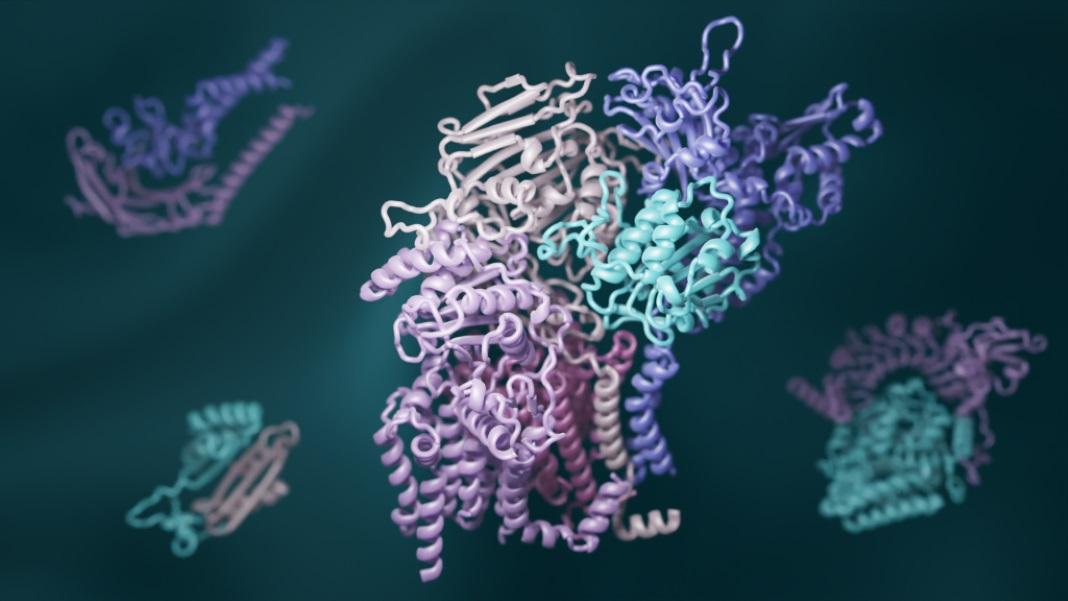
MARCELO DER TOROSSIAN Torres lifted the clear plastic cover off of a petri dish one morning last June. The dish, still warm from its sleepover in the incubator, smelled of rancid broth. Inside it sat a rubbery bed of amber-colored agar, and on that bed lay neat rows of pinpricks—dozens of colonies of drug-resistant bacteria sampled from the skin of a lab mouse.
Torres counted each pinprick softly to himself, then did some quick calculations. Untreated for the infection, the samples taken from an abscess on the mouse had yielded billions of superbugs, or antibiotic-resistant bacteria. But to his surprise, some of the other rows on the petri dish seemed empty. These were the ones corresponding to samples from mice that received an experimental treatment—a novel antibiotic.
Mots-clés : cybersécurité, sécurité informatique, protection des données, menaces cybernétiques, veille cyber, analyse de vulnérabilités, sécurité des réseaux, cyberattaques, conformité RGPD, NIS2, DORA, PCIDSS, DEVSECOPS, eSANTE, intelligence artificielle, IA en cybersécurité, apprentissage automatique, deep learning, algorithmes de sécurité, détection des anomalies, systèmes intelligents, automatisation de la sécurité, IA pour la prévention des cyberattaques.